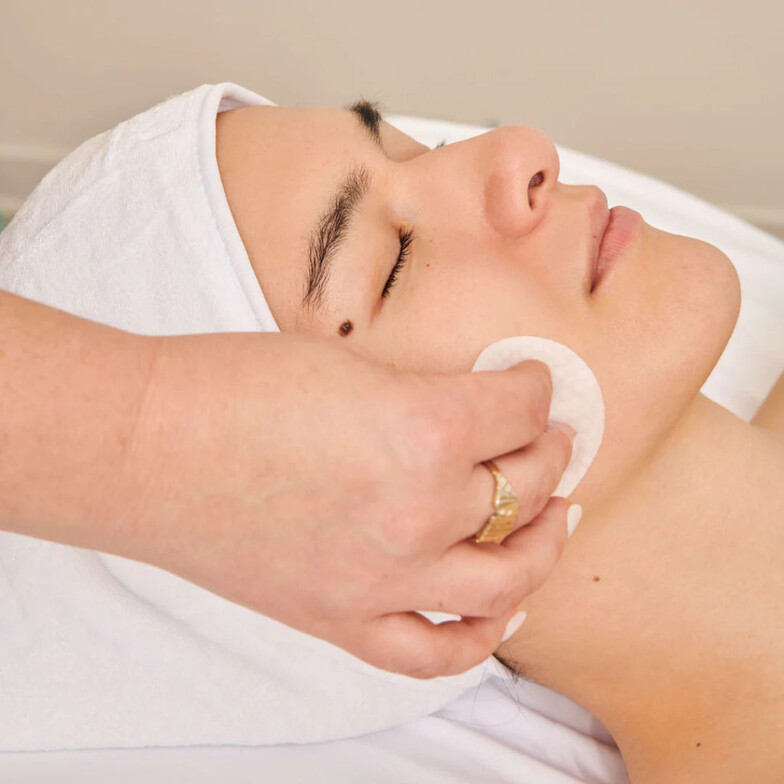
You’ve just finished a facial or chemical peel. Your skin feels smooth, looks luminous, and you can’t help but check your reflection more than once before leaving the spa. That immediate glow is one of the most satisfying parts of treatment — but what happens over the next few days is just as important.
Post-treatment care isn’t just about maintaining results; it’s about helping your skin recover, rebuild, and reveal its healthiest layer safely. As a nurse and aesthetic practitioner, I see the difference every day between skin that’s pampered after treatment — and skin that’s left to fend for itself. The truth is, the way you care for your skin in the first 72 hours can determine the quality of your long-term results.
Let’s walk through what really happens after a professional facial or peel — and how to give your skin the environment it needs to thrive.
What Your Skin Is Doing After a Treatment
Every professional skincare treatment, whether gentle or advanced, activates your skin’s natural healing and renewal cycle. During a facial, exfoliation and stimulation increase blood flow, oxygenate the tissues, and encourage the shedding of dead cells. After a peel, controlled exfoliation removes the outer layer of skin, prompting fresh, new cells to rise to the surface.
That means your skin is temporarily more vulnerable — but also more receptive. Think of it like a garden right after tilling the soil: the surface has been refreshed, but it’s delicate. It’s the perfect time to feed it with the right nutrients and protect it from outside stressors.
This is why professional aftercare is non-negotiable. Your skin is healing, recalibrating its oil production, rebuilding its barrier, and restoring pH balance. The right routine supports that process; the wrong one can delay or even undo the benefits of your treatment.
The First 24 Hours: Let Your Skin Breathe
Right after a facial or peel, less is more. Your skin doesn’t need an elaborate routine — it needs rest.
Here’s what to do (and avoid) during the first day:
Do:
-
Keep your hands off your face. Even clean hands carry oils and bacteria that can irritate newly treated skin.
-
Apply a gentle, fragrance-free moisturizer as recommended by your provider.
-
Use mineral sunscreen (SPF 30 or higher). Post-procedure skin is extra sensitive to UV exposure.
-
Stay hydrated — inside and out. Drink water, and use a lightweight humectant to retain moisture.
Avoid:
-
Makeup and heavy products that could clog pores.
-
Exfoliating acids, retinoids, or scrubs.
-
Intense exercise, saunas, or steam (heat can increase inflammation).
-
Picking or touching areas that may flake or peel.
Your skin is in active repair mode. Anything that increases friction, sweat, or heat can disrupt the delicate balance it’s working to restore.
Day 2–4: Support the Regeneration Process
By the second or third day, your skin will start to normalize. If you’ve had a chemical peel, you might notice some mild flaking — this is a sign that your skin’s turnover cycle is accelerating. Don’t panic; that’s exactly what we want.
At this stage, your focus should be on hydration and barrier repair.
Incorporate gentle, supportive ingredients like:
-
Hyaluronic acid: Draws in moisture and plumps the skin.
-
Ceramides: Rebuilds the lipid barrier to strengthen skin resilience.
-
Panthenol (Vitamin B5): Calms irritation and speeds healing.
-
Aloe vera or centella asiatica: Soothes inflammation naturally.
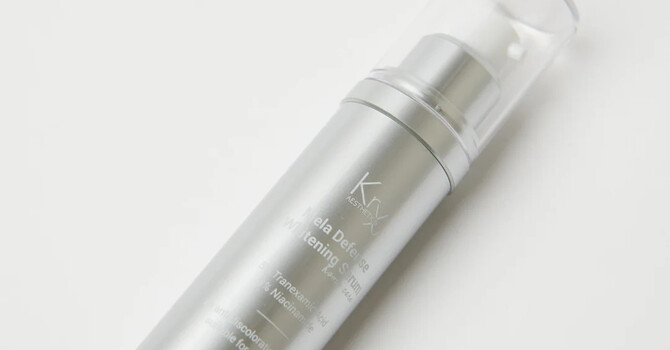
If your provider recommends a specific post-treatment kit — like the Corthe Foundational Facial Bundle or KrX Strengthen + Protect Probiotic Bundle — it’s because these medical-grade formulas contain barrier-safe ingredients that restore the skin’s microbiome and hydration without clogging pores.
Most clients underestimate how important this step is. Your skin doesn’t just need moisture; it needs protection from trans-epidermal water loss (TEWL). When you seal in hydration properly, you prevent irritation, dryness, and post-peel redness from worsening.
What to Expect in the Days Ahead
By day five, your skin should be noticeably softer, smoother, and more balanced. Pores look refined, tone appears more even, and makeup (if you wear it) applies like silk.
If you’ve had a medium-depth peel, you may continue peeling for up to a week — this is normal. Think of this process as your skin exfoliating from the inside out. The flaking you see is old, dull skin being replaced with new, healthy cells.
Avoid exfoliating the flakes manually. Instead, let them shed naturally. Picking or peeling prematurely can cause hyperpigmentation or disrupt the new tissue forming underneath.
At this stage, sunscreen is still your best friend. Daily UV exposure is the number-one reason people lose the results of their treatments. Protecting your investment with consistent SPF is the simplest way to preserve your glow.
The Long Game: Maintenance Matters
Facials and peels aren’t one-time fixes — they’re checkpoints in your skin health journey. The skin renews itself roughly every 28 days (a bit slower as we age), so ongoing professional care helps keep the cycle efficient and balanced.
Scheduling treatments every 4–6 weeks allows your provider to monitor changes, adjust products, and address concerns before they escalate. Think of it as preventive maintenance for your complexion.
But what you do between appointments is just as crucial.
Here’s how to sustain your results long-term:
-
Simplify your daily routine: Choose a gentle cleanser, barrier-repair moisturizer, and daily SPF. Overcomplicating your skincare can cause product fatigue and irritation.
-
Feed your skin from within: Collagen, hydration, and vitamins all start internally. A diet rich in antioxidants (berries, leafy greens, omega-3s) supports the same healing process that facials initiate.
-
Mind your stress: Cortisol can increase inflammation and slow cellular turnover. Meditation, rest, and balanced breathing support your skin as much as any serum.
Consistency builds resilience. The clients who see the best results are those who view skincare not as a luxury, but as a rhythm.
When to Call Your Provider
It’s rare, but if you experience unusual redness, swelling, or pain beyond mild irritation, reach out to your provider immediately. True post-procedure care means partnership — your practitioner should guide you through every phase of recovery.
A responsible med spa won’t just send you home glowing; they’ll equip you with clear aftercare instructions and follow-up support. At Garden of Bloom Med Spa, we believe in educating clients on what’s happening beneath the surface — not just handing them products.
Final Thoughts: Healing Is the Hidden Glow
The post-treatment phase is where real transformation happens. The glow you see immediately after a facial or peel is beautiful — but it’s the healing underneath that makes it last.
Caring for your skin after a treatment isn’t about perfection. It’s about partnership — between you, your skin, and the hands that treat it. When you honor that process with rest, hydration, and protection, your results multiply over time.
Healthy skin doesn’t rush. It renews. And when it does, the glow doesn’t just fade — it deepens.
SEO Callout (soft close):
To learn more about safe, evidence-based facials and peels — and how to care for your skin afterward — visit Garden of Bloom Med Spa in Davenport, Iowa, or schedule a consultation with one of our licensed providers.
Learn More at GOBMedSpa.com
Shea Springfield
Contact Me